Dental Bonding: A Quick and Effective Way to Repair Your Smile
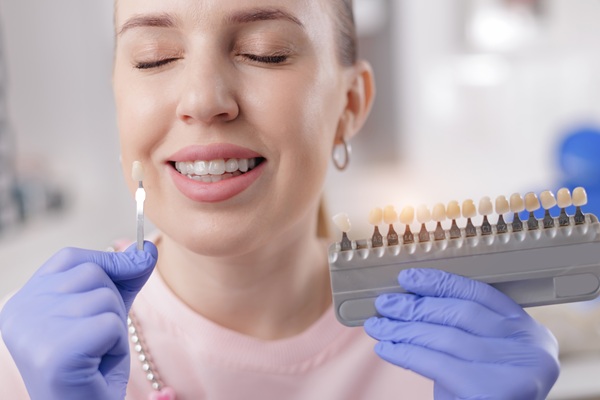
Dental bonding is a simple and effective way to make immediate improvements to the smile by covering stains or fixing small chips, cracks, and gaps in the teeth, providing immediate improvement. The process is painless and quick and does not require major changes to the natural teeth. Those looking for an easy and affordable way to restore their smile should consider dental bonding.
How Dental Bonding Works
A dentist can usually complete the procedure in one visit. The procedure begins with the dentist applying a tooth-colored resin to the tooth's surface. Then, the provider sculpts the composite resin to the desired shape. A special light hardens the resin once the material is in place, bonding it securely to the tooth. The dentist then smooths and polishes the bonded area to match the surrounding teeth.
Since dental bonding does not require anesthesia, the patient can return to regular activities. The entire process usually takes less than an hour per tooth, making it one of the fastest ways to improve a smile.
Common Uses for Dental Bonding
A dentist may recommend this versatile procedure for the following:
- Repairing chipped or cracked teeth
- Closing gaps between teeth
- Improving the shape of irregular or uneven teeth
- Covering stains or discoloration that do not respond to whitening
- Protecting tooth roots exposed by gum recession
Unlike veneers or crowns, bonding preserves most of the natural tooth structure and requires minimal tooth preparation.
Benefits of Dental Bonding
One of the main advantages of dental bonding is its convenience. The procedure is quick, painless, and often does not require drilling or enamel removal like veneers or dental crowns. Therefore, dental bonding can be an attractive option for patients who want to improve their smile without committing to more invasive treatments. Additionally, dental bonding is affordable, and the procedure involves little to no discomfort. Also, with proper care, dental bonding can last several years before needing touch-ups or replacement.
Caring for Bonded Teeth
Good oral hygiene is key to maintaining the long-term results of dental bonding. Brushing twice a day, flossing daily, and visiting the dentist for regular checkups help keep the bonded area in good condition. Also, the patient should invest in a night guard if teeth grinding is a problem for them.
Since bonding material is not as strong as natural enamel, patients should avoid biting on hard objects, such as ice or pens, to prevent chipping. Certain foods and drinks, such as coffee, tea, and red wine, can stain the resin over time. Limiting these or rinsing the mouth after consuming them can help keep the bonded teeth looking bright. If discoloration occurs, a dentist may be able to polish or replace the bonding material.
A Simple Way to Enhance Your Smile
Dental bonding is a quick, effective, and affordable solution for repairing minor imperfections and enhancing a smile. With immediate results and minimal discomfort, this treatment provides a simple way to restore confidence. Those interested in improving their smile can speak with a dentist to see if dental bonding is the right choice.
Request an appointment here: https://sunshinesmilestucson.com or call Sunshine Smiles at (520) 441-4188 for an appointment in our Tucson office.
Check out what others are saying about our dental services on Yelp: Dental Bonding in Tucson, AZ.
Related Posts
Those looking to brighten their smiles should consider consulting a cosmetic dentist. Trying to achieve a whiter smile with inexpensive store-bought products can be tempting. However, a dental professional knows what works and what does not when trying to achieve a whiter smile. For the best chance at seeing the results you want, talk to…
It is often thought that a cosmetic dentist only focuses on the way that the teeth and gums appear; however, that is not the case. They also focus their efforts on ensuring that the teeth and gums remain in good health while also looking and functioning properly.Below is an overview of how a cosmetic dentist…
A bright and beautiful smile can boost confidence, enhance your appearance, and leave a lasting impression. A cosmetic dentist can help you achieve one. However, finding the right dentist is an important part of the treatment process. With many options available, you must do your homework to ensure you are in capable hands. Here is…
A cosmetic dentist is one of the best resources to utilize when looking to get rid of gaps in between the teeth. Gaps are not the best look when it comes to having a perfect smile; however, there are a lot of ways that a cosmetic dentist can resolve this issue. With dentistry coming such…